If you have carpenter ants softening joists, mice tapping in the walls at 2 a.m., or a line of German cockroaches parading through the kitchen, you do not have time for guesswork. You need a reliable pest control company that knows how to diagnose, treat, and prevent. The catch is that star ratings and slick ads tend to flatten the real differences between providers. Two companies can both look like the “best pest control” online, yet one arrives with an integrated pest management plan and a licensed applicator while the other shows up with a backpack sprayer and a script.
I have walked crawl spaces where termites had been “treated” twice, only to find untreated expansion joints and leaky hose bibs that invited them right back. I have also watched a patient technician set sticky monitors behind a bakery’s warm oven line, identify phorid flies by wing vein, and solve the issue without a drop of broad-spectrum spray. The craft matters. So does how you vet your options.
What “top rated” really means, and what it misses
Online reviews, badges, and “top rated pest control” lists are starting points, not verdicts. They capture punctuality, courtesy, and the feeling of a quick win. They rarely capture whether a company measured linear footage for a termite trench, sealed a 3/8 inch gap that lets mice pass as easily as air, or used insect growth regulators to disrupt roach life cycles. A five-star experience on day one can turn into three months of callbacks if the root cause was never addressed.
Use public sentiment as a filter, then go deeper. You are trying to separate sales polish from technical competence, and a pest-free result over the full season, not just the afternoon.
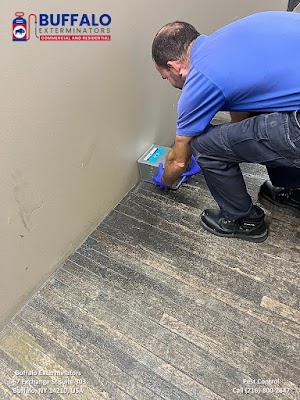
Start with the kind of service you actually need
Pest control services are not one size fits all. The local exterminator who keeps your ranch home ant-free may not be equipped for a hospital wing, just as an industrial pest control firm may be overkill for a studio apartment.
Residential pest control usually revolves around a perimeter barrier, targeted interior treatments, and a pest prevention service cadence that matches local pressure. Quarterly pest control service fits many homes; monthly pest control service is common for heavy pressure or multiunit buildings where reintroduction is constant. One time pest control can handle a small wasp nest or a light spider control need, but recurring issues demand year round pest control.
Commercial pest control and pest control for business, from restaurant pest control to warehouse pest control and school pest control, is governed by stricter documentation and monitoring. Health departments and third-party audits expect calibrated devices, trend logs, service maps, and corrective actions, not just a signed work order. If you are in food manufacturing or hospital pest control, ask for the firm’s program template before you ever schedule a pest control appointment.
Specialty services matter. Termite control and termite treatment require different tools and training than general insect control service. Bed bug treatment often blends heat and chemistry and benefits from a bed bug exterminator that does nothing else. Wildlife removal service has its own licensing in many states and calls for sealed entries more than repellents. Make sure the company’s bread and butter matches your problem, whether that is a rodent control service for a roof rat problem, a mosquito control service that can treat catch basins, or a cockroach control plan that integrates sanitation, crack-and-crevice work, and growth regulators.
Proof of competence beats marketing every time
Pest control is regulated at the state level. Every legitimate pest management company holds a business license, and the individuals applying pesticides carry applicator licenses, often in specific categories like structural, public health, or fumigation services. Ask to see those licenses. The best firms show them without blinking.
Insurance is equally important. General liability and workers’ compensation protect you if a technician falls from your attic ladder or a misapplied product damages a countertop. Quality seals like NPMA’s QualityPro are helpful, but do not replace state credentials. If you want an organic or eco friendly pest control angle, look for a provider trained in IPM pest control and product labels that align with organic programs, not just green marketing language.
Here is a short list of documents worth requesting at the estimate:
- State pest control company license and technician license numbers Certificate of insurance, with your property named as certificate holder upon request Applicable certifications, such as QualityPro or ACE entomologist credentials Sample inspection report with photos and a proposed treatment map Safety Data Sheets and product labels for anything they plan to use
Inspection quality predicts treatment quality
A decent pest inspection service does more than glance under the sink. For ants, you want to see food and moisture sources identified, not just a general spray. For rodent control, you should see exterior burrows probed, rub marks noted along utility lines, and entry points measured. A good inspector carries a flashlight, mirror, moisture meter, and non-repellent glue boards. In crawl spaces and attics, they look for bat guano, rub trails, droppings shape and size, insulation tunnels, and gnaw patterns that distinguish rats from mice.
When estimating termite work, technicians should measure linear footage along foundations, account for concrete abutments, and discuss drilling through slabs or brick ledges where needed. Baiting systems require mapping stations, soil type considerations, and a clear monitoring schedule. If someone quotes a single number for termite exterminator work sight unseen, proceed carefully.
“Free inspection” can be a real value, but sometimes it is a sales sweep. Push for specifics: what species, what conducive conditions, what targeted controls, and what outcomes to expect in what timeframe. A credible bug exterminator will explain why German cockroaches cluster in warm, humid areas near motors, pest control near me Buffalo, NY Buffalo Exterminators how an insect growth regulator suppresses nymph turnover, and why sanitation is part of the contract, not a scold.
Understanding price without losing the plot
Pest control cost varies with pest pressure, structure, and method. You can still sanity-check pest control prices.
- Ant control service, cockroach control, or spider control as a single visit typically runs in the $150 to $400 range per service for a standard home, depending on severity and local rates. Follow-up visits may be $75 to $200. Quarterly plans for home pest control often fall between $80 and $150 per quarter for a typical lot and structure. Monthly plans for apartment pest control in multiunit settings can run $40 to $70 per month per unit under a portfolio contract. Rodent control service varies widely. An initial mice exterminator or rat exterminator service, including bait stations, snap traps, and exclusion recommendations, is often $200 to $600, with follow-up visits billed separately. Full exclusion and pest proofing service, such as sealing and screening, can range from several hundred dollars to a few thousand for large or complex homes. Termite treatment by a termite exterminator depends on method and linear footage. Liquid trench-and-treat jobs commonly land from $800 to $3,000 for small homes, reaching $4,000 or more for larger footprints or dense drilling. Baiting systems can be similar at installation, with an annual fee thereafter. Whole-structure fumigation services, where applicable for drywood termites, often run $1 to $4 per square foot, which means $1,200 to $4,000+ for many homes. Bed bug treatment is labor-heavy. A bed bug exterminator may quote $400 to $1,500 per room for chemical treatments with multiple visits. Whole home heat treatments can be $1,000 to $5,000+. Be wary of cheap pest control quotes that promise complete bed bug removal in one pass with no prep. Mosquito control service around a yard typically costs $60 to $120 per treatment on a recurring schedule through the warm season. Adding larvicide in drains and catch basins adds value that many low bidders skip.
None of these are absolutes, and markets vary. The point is to use itemized pest control estimates to compare apples to apples. Look for the number of services included, what the warranty covers, whether re-services are free, and any initial-to-maintenance price changes. Clarify whether “affordable pest control” means low intro rates with steep increases at renewal.
Methods matter, especially around kids, pets, and food
If you have toddlers on the floor or a reef tank in the den, you want a professional pest control plan that puts risk control first. Ask about integrated pest management. An IPM pest control plan typically includes inspection, monitoring, threshold-based treatments, targeted applications, and habitat modification. In practice, this can mean baits and gels for cockroaches instead of wide-area sprays, exterior ant baiting with non-repellent products, and desiccant dusts in wall voids rather than aerosolizing rooms.
Green pest control, eco friendly pest control, and organic pest control are meaningful when product labels and methods support them. Many firms offer reduced-risk options using borate dusts, essential-oil based actives, or growth regulators with favorable profiles. That does not mean no-risk. Always request product labels and Safety Data Sheets. Ask about re-entry intervals, aquarium precautions, pollinator protection, and pre-notification for school pest control and office pest control where sensitive individuals may be present.
For stinging insects, a wasp removal service or hornet removal service should account for species and nest location. Nighttime removal, protective suits, and targeted dusting or vacuuming are safer than daytime chaos. Bee removal service often aims for relocation when possible, especially with accessible honey bee swarms. For fleas and ticks, a flea control service or tick control service needs to address pet treatments, yard habitat adjustments, and possibly neighbor sources.
Wildlife removal service should emphasize one-way doors and exclusion. Trapping and relocation rules vary by state. A professional will know whether release is permitted, how to handle protected species, and how to sanitize and seal after raccoons or bats have nested.
Contracts, warranties, and the fine print that controls outcomes
Service agreements are not all the same. A reliable pest control company spells out exactly what pests are covered, how many visits are included, and what happens between scheduled services. Good contracts describe a reservice guarantee in writing. If you see rodent activity two weeks after a visit, you should not pay another trip fee.
Pay attention to auto-renewals and cancellation terms. Some providers require 12 months with early termination fees. That can be reasonable when the initial visit includes heavy lifting, but it should be transparent. A monthly pest control service that climbs by 30 percent at renewal is not a bait-and-switch you should tolerate. If you are comparing top rated pest control firms, place copies of the guarantees side by side and look beyond the bold print.
For termites, long-term warranties matter. Transferable warranties add value at sale time and can help with real estate pest inspection requirements. Ask whether the warranty covers new damage, not just retreatment, and what conditions void it, such as grading changes or uncorrected moisture problems.
Responsiveness and operations: the quiet differentiators
Same day pest control and 24 hour pest control get attention when you are staring at a yellowjacket nest by the front door or bed bugs in a hotel. True emergency pest control exists, but you pay for speed. Ask what qualifies as emergency and what the surcharge is. Also ask who answers the phone at 11 p.m., and whether that person can dispatch a certified exterminator or only set a next-day appointment.
Routing efficiency affects reliability. A company with a tight local footprint can keep its schedule. A national brand with sparse coverage in your county may overpromise. Local pest control firms often know seasonal shifts, from spring ant flights to late summer roof rat migrations. If you search “pest control near me” or “exterminator near me,” pair it with real questions about technician territories and average response times.
How to read reviews like a pro
Do not stop at the stars. Read three high, three middle, and three low ratings. Look for technician names that repeat in praise or complaints. Note patterns like “they came on time but the ants were back in two weeks” or “they explained how to store dog food and fixed the gap under the garage door.” Companies that respond to negative reviews with specific remedies, not templated replies, tend to handle callbacks well in real life too.
If you can, ask for two recent references with the same pest you face. Talk to a neighbor who used their rodent exterminator program, or a property manager who runs apartment pest control with them. A trusted exterminator welcomes that request.
Red flags that should give you pause
Beware of pressure to sign a long pest control contract on the spot without a written scope. Be wary of “secret formulas,” no-prep bed bug miracles, and prices that are strikingly lower than three other quotes. Watch for technicians who refuse to show products they plan to use, or who deny you copies of labels and SDS. If an estimator never mentions sanitation, exclusion, or conducive conditions, you are buying a spray, not a solution.
A practical vetting sequence you can follow this week
- Shortlist three providers: a local pest control firm, a regional, and a national brand if available Request a detailed inspection and written scope, with photos and product labels Verify licenses, insurance, and any specialty credentials for your pest Compare itemized pest control quotes, warranties, and service cadence side by side Call two references for the specific service you need, then choose on best fit, not just price
Comparing bids fairly, line by line
When two pest control quotes differ by hundreds of dollars, the difference is often in what is not written. If one bid includes exterior rodent bait stations but no interior snap traps or exclusion work, expect a long game with reinvasion. If one ant exterminator includes non-repellent transfers and bait stations while another only fogs baseboards, you can predict which will fail once the carrier dries.
Ask for maps. For termites, expect a diagram with linear footage, drill points, and product volumes. For mosquito exterminator service, look for a map of vegetation, breeding sites, and water features, with larvicide placements noted. For bed bug removal, look for a treatment and inspection schedule with canine inspection details if used. For restaurant pest control, expect trap and monitor counts, logbook samples, and corrective action forms.
Special cases worth extra scrutiny
Termites are a trade unto themselves. Subterranean termites push mud tubes on foundations and plumbing penetrations. Drywood termites live in timbers and can demand tent fumigation services. A termite control plan that does not match your species is wasted money. Ask which species they see in your area and how the treatment addresses that biology.
Bed bugs test your patience. They hide in seams, electrical plates, and baseboards. An effective bed bug treatment usually blends heat, steam, residuals, and follow-ups. Prep is half the work. The best bed bug exterminators provide a written prep list, mattress encasements, and post-treatment verification.
Rodents make you play architect. A rat control service or mouse control service that does not seal utility penetrations and door sweeps is like bailing a boat with a hole in it. Expect snap traps in protected boxes inside, bait stations outside where appropriate, and an exclusion plan that addresses gaps larger than a pencil for mice and a thumb for rats.
Mosquitoes breed where water sits. A mosquito control service that only fogs foliage misses gutters, drains, and low spots. Ask whether they treat catch basins, use larvicides, and adjust intervals based on rainfall and temperature.
Schools, hospitals, and food plants have extra rules. Ask how the provider handles sensitive sites: pre-notification, least-risk products, placement away from air intakes, and detailed recordkeeping. If you manage office pest control across multiple sites, find out how they standardize service and reporting.
Real estate transactions move fast. A real estate pest inspection needs a firm that can deliver a clear, prompt report with photos and a treatment proposal if needed. Speed matters, but so does accuracy. A missed termite gallery in a garage sill plate becomes your problem after closing.
Local knowledge vs national footprint
A national brand often brings training, safety protocols, and deep product access. A local pest control specialist often brings a sharper feel for microclimates and building stock. In Phoenix, a technician who knows scorpions, block-wall construction, and irrigation schedules has an edge. In the Northeast, someone who has sealed a hundred triple-deckers against Norway rats reads a building like a book. The best choice balances consistency with local expertise. For multi-state portfolios, a blended approach sometimes works: a national for reporting and compliance, locals for hotspots.
Scheduling, access, and the realities of service
Great service fits your life. Ask how they handle keys and alarm codes, interior access windows, and pet safety. If you need online pest control booking, check whether the portal shows your technician’s name, ETA, and past service notes. Year round pest control is not a promise to spray monthly forever; it is a cadence tuned to your pressure points. Spring is ant and termite season in many places. Late summer into fall brings rodent pressure. A quarterly rhythm that shifts tactics as seasons change beats a rigid monthly schedule that treats whether you need it or not.
What a real partnership looks like
Your role is not to learn Latin names. It is to share observations, approve exclusion work, and keep conditions unfavorable to pests. A good pest control treatment plan includes small asks that pay big dividends: store bird seed in sealed bins, trim vegetation off the structure, reduce clutter that shelters roaches, repair door sweeps, and manage irrigation. The company’s role is to diagnose, deploy precise controls, and follow up until the problem is resolved. When that loops well, affordable pest control is not code for shortcuts. It means a plan that prevents instead of a series of emergencies.
A brief note on speed vs thoroughness
Same day pest control is sometimes essential. I have handled hornet nests over daycare entrances with less than an hour’s notice. Yet speed without a plan invites repeat visits. If a company can come today and also explain their approach with confidence and specifics, you have found a rare combination. If they only promise to “spray and see,” wait for the firm that can explain why they will dust a wall void, bait a hot spot, and monitor with three placements you can verify after they leave.
Bringing it all together
Vetting a pest management company is not a hobby. You need a trustworthy partner, a fair price, and no surprises. You get there by asking for proof of licensing and insurance, pressing for a detailed inspection and written scope, insisting on IPM where feasible, and reading warranties with a highlighter. You compare itemized pest control quotes on scope and outcomes, not just dollars. You weigh local knowledge against scale. Then you choose the pest control experts who can explain your pest’s biology, show you how they will break it, and stand behind the work.
Do that, and your searches for “local extermination services” or “pest control near me” will stop being Hail Marys at 1 a.m. They will become a routine call to a trusted exterminator who knows your property, solves problems the right way, and keeps it that way across seasons.